

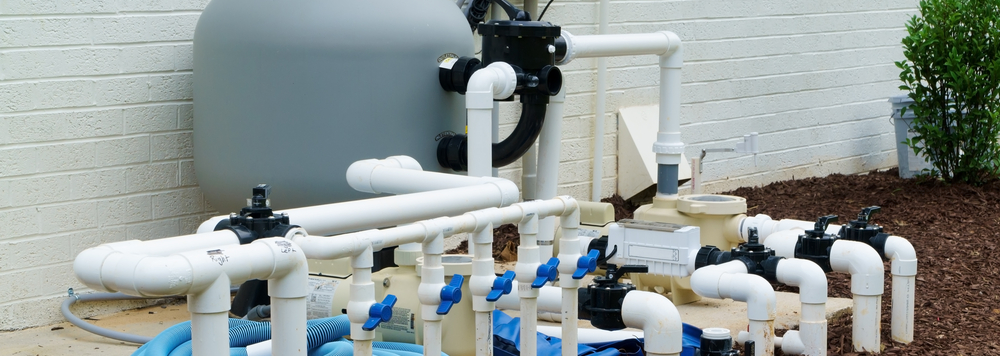
Your pool’s pump and filter are the heart and lungs of your entire system. When either one starts acting up, your water quality can quickly decline—and you might be looking at costly repairs if issues go unchecked.
Here are the most common signs your pool pump or filter needs repair, and what to do next.
1. Low or No Water Circulation
What It Means:
If the water in your pool isn’t circulating, your pump may be losing prime, leaking air, or failing altogether. Poor circulation also puts pressure on your filter and can lead to cloudy, stagnant water.
Check for:
- Weak return jets
- Still or murky water
- Low pressure on the gauge
2. Unusual Noises from the Pump
What It Means:
A healthy pump should run smoothly and fairly quietly. Grinding, screeching, or humming sounds could mean worn bearings, motor issues, or debris inside the impeller.
Don't Ignore:
- Grinding = bad bearings
- Humming = power but no movement
- Clicking = failing capacitor or motor
Tip: Loud noise near a pool pump is never normal. Turn it off and call a pro.
3. Air Bubbles in the Pool or Pump Basket
What It Means:
A healthy pump should run smoothly and fairly quietly. Grinding, screeching, or humming sounds could mean worn bearings, motor issues, or debris inside the impeller.
Common culprits:
- Loose drain plugs
- Cracked o-rings
- Suction-side leaks
4. Dirty or Cloudy Water Despite Running Equipment
What It Means:
If you’re running your pump and filter regularly but your water still looks off, your filter might be clogged, damaged, or just not doing its job anymore.
Check for:
- Broken filter grids or cartridges
- Excessive pressure or no pressure on the gauge
- Sand or DE blowing back into the pool
5. Pump Keeps Shutting Off or Tripping the Breaker
What It Means:
Electrical issues can be dangerous. If your pump is tripping the breaker or shutting off on its own, it may be overheating, shorting out, or drawing too much power.
This is often a sign of a failing motor or internal wiring issues and should be addressed immediately.
6. High Pressure on the Filter Gauge
What It Means:
High pressure usually means your filter is dirty or clogged, or there’s a blockage downstream. Letting pressure build too long can damage the filter and connected plumbing.
Quick fix:
Backwash sand or DE filters, or clean/replace your cartridge. If pressure stays high, call in a pro.
Bonus: Your Equipment Is 7–10+ Years Old
Even if it seems to be running “fine,” pumps and filters have a lifespan—especially in Tennessee’s seasonal climate. If yours is pushing a decade or more, it’s worth getting a professional inspection.
When to Call a Pro
If you notice any of the signs above, it’s best not to wait. A failing pump or filter can lead to bigger issues like:
- Algae blooms
- Burned-out motors
- Expensive energy bills
- Water loss or leaks
At Superior Pool Service, we offer pool equipment diagnostics and repairs across the Cumberland Plateau and surrounding Tennessee areas. Whether it’s a noisy pump or a failing filter, we’ll get your system back in shape fast.
Schedule a service call today and keep your pool running crystal clear, all season long.